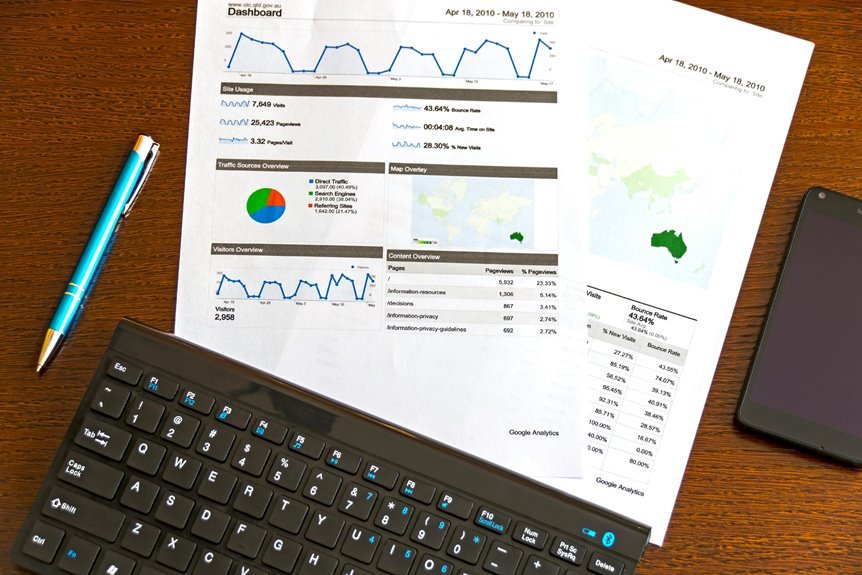
The performance insights of the specified phone numbers reveal notable engagement metrics that warrant careful examination. Call frequency and response rates indicate user preferences, while duration can shed light on communication effectiveness. Understanding these patterns opens avenues for strategic decision-making. However, the implications of these insights extend far beyond mere numbers, hinting at potential shifts in customer relationships and operational strategies that could redefine engagement. What conclusions might emerge from a deeper analysis?
Analysis of Identifier Performance Metrics
Although phone numbers serve as crucial identifiers in various communication systems, their performance metrics reveal significant insights into user engagement and operational efficiency.
Trends and Patterns in Data Insights
The analysis of identifier performance metrics reveals notable trends and patterns that inform data insights related to phone number usage.
Through data visualization techniques, key usage patterns emerge, highlighting user preferences and engagement levels.
Predictive analytics further enhances understanding, allowing stakeholders to anticipate future behaviors and adapt strategies accordingly.
This synthesis of trends empowers informed decisions, fostering a culture of data-driven freedom.
Implications for Business Strategy and Decision-Making
As businesses increasingly rely on data-driven insights, the implications of phone number usage metrics become vital for strategic decision-making.
Effective analysis of these metrics facilitates business alignment with consumer behavior, enhancing customer engagement.
Furthermore, such insights support strategic forecasting, enabling organizations to anticipate market trends and adapt accordingly.
Ultimately, leveraging phone number data can significantly refine business strategies and optimize decision-making processes.
Conclusion
In conclusion, the analysis of performance metrics for the specified phone numbers reveals distinct engagement patterns critical to understanding customer dynamics. By addressing potential concerns about data variability, it becomes evident that these insights enable businesses to visualize customer interactions, fostering informed strategies. As companies adapt their approaches based on these findings, they can enhance customer satisfaction, streamline operations, and ultimately cultivate stronger relationships, ensuring a competitive edge in an increasingly data-driven marketplace.